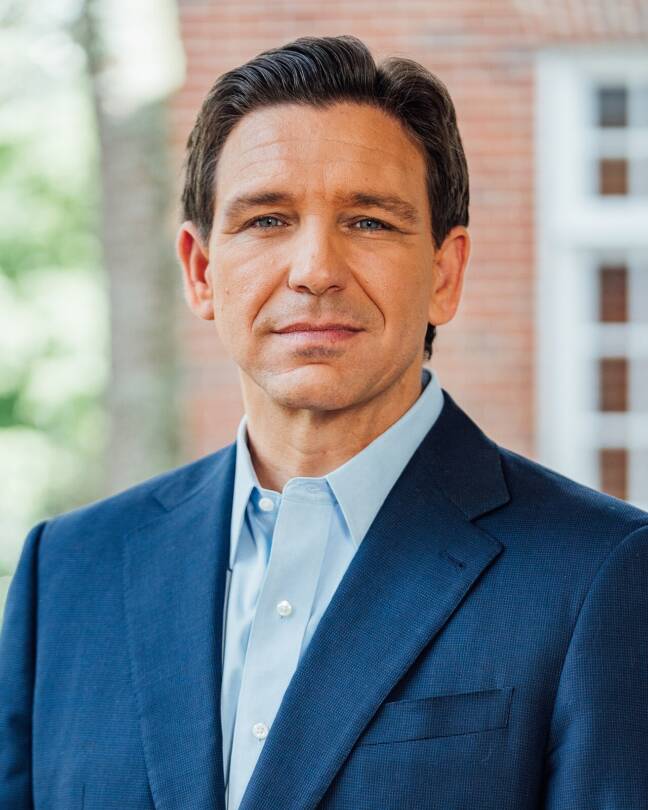
Bill Huizenga Net Worth 2026: Michigan Congressman’s $2.2M
U.S. Representative for Michigan's 4th Congressional District (R-MI), incumbent
Bill Huizenga Net Worth 2026: Michigan Congressman’s $2.2M Net Worth & Financial Report
Table of Contents
- Bill Huizenga’s $2.2 Million Financial Snapshot: A Foundation in Family Business
- Congressional Service and a Career of Public and Private Endeavor
- The Huizenga Investment Portfolio: $1.1 Million in Gravel, $750K in Real Property
- Bill Huizenga’s Market Exposure: A Focus on Mutual Funds and Long-Term Stability
- The Enduring Legacy of Bill Huizenga’s $2,200,000 Net Worth
In the bustling corridors of Capitol Hill, U.S. Representative Bill Huizenga presents himself as a pragmatic voice for Michigan’s 4th Congressional District. His public image often aligns with the industrious spirit of his constituents, a reflection of his deep roots in the state. Yet, beneath the surface of his legislative duties lies a financial narrative shaped by generational enterprise and strategic investment. As of 2026, Bill Huizenga’s net worth is a verifiable $2,200,000, a figure that underscores a blend of inherited business acumen and careful financial stewardship, rather than wealth solely accumulated through public office.
Bill Huizenga’s $2.2 Million Financial Snapshot: A Foundation in Family Business
Bill Huizenga’s financial strength is primarily anchored in his significant ownership stake within a long-standing family enterprise. This core business interest, complemented by substantial real estate holdings and diversified market investments, forms the robust bedrock of his personal wealth. While his current role as an incumbent U.S. Representative for Michigan’s 4th Congressional District (R-MI) provides a consistent and respectable income, it is his enduring ties to the private sector that truly define the scale and nature of his financial standing. His wealth isn’t built on speculative ventures but on tangible assets and established operations.
Congressional Service and a Career of Public and Private Endeavor
Bill Huizenga’s journey to the U.S. House of Representatives is marked by a blend of public service and private sector experience. Before his election to Congress, he honed his legislative skills in the Michigan House of Representatives, serving from 2003 to 2009. This period provided invaluable insight into state-level governance, policy formulation, and constituent representation. His background also includes work in real estate and as a small business owner, experiences that undoubtedly informed his understanding of economic forces and local commerce.
Upon his successful election to the U.S. House in 2010, Bill began earning a congressional salary—a significant, publicly disclosed income stream that supports his family and allows for continued financial planning and investment. This salary, while substantial, represents only one component of his overall financial picture. Unlike some political figures who enter public life having already amassed vast personal fortunes, Bill’s financial narrative is more closely interwoven with the legacy and ongoing success of his family’s business.
His consistent career trajectory, moving from state-level politics to the federal stage, demonstrates a commitment to public service that spans decades. This steady professional progression, combined with a disciplined approach to personal finance, underpins the verifiable Bill Huizenga net worth 2026 figure of $2,200,000. It illustrates a career where public duty and private enterprise have coexisted, each contributing to his financial stability and broader economic perspective.
The Huizenga Investment Portfolio: $1.1 Million in Gravel, $750K in Real Property
The cornerstone of Bill Huizenga’s personal wealth is undoubtedly his substantial, long-term investment in a family-owned enterprise. His most significant declared asset is a $1.1 million ownership interest in Huizenga Gravel Company, Inc. This business, likely involved in the extraction and supply of essential construction materials, represents a tangible and deeply rooted portion of his personal fortune. Such an enterprise suggests a steady, often cyclical, revenue stream tied to infrastructure development and local construction—a testament to generational entrepreneurship and a foundational element of his financial security.
Beyond the family business, Bill holds considerable value in tangible assets through his real property. His real property holdings are valued at $750,000. This figure could encompass a primary residence, additional investment properties, or land, all contributing to his overall asset base. Real estate typically serves as a stable, appreciating asset, offering both equity growth and potential rental income, providing a hedge against market volatility and a tangible store of wealth.
Bill also maintains a presence in the broader public markets through diversified mutual funds. He holds $256,000 in mutual funds, a widely adopted investment vehicle known for its diversification and professional management. These funds typically spread investments across a broad spectrum of stocks, bonds, or other securities, offering exposure to diverse market sectors and mitigating the risks associated with individual stock picking. Finally, his liquid assets include $58,000 in bank accounts, providing readily accessible capital for personal expenses and immediate financial needs.
This well-structured approach to wealth management—integrating a foundational business interest with appreciating real estate and diversified market exposure—illustrates a conservative yet highly effective financial strategy. It stands in contrast to the often more speculative individual stock trading sometimes observed among other public figures. For example, while Senator Elizabeth Warren’s net worth is estimated around $12 million, largely built on her distinguished legal career and best-selling books, and Representative Alexandria Ocasio-Cortez’s net worth is closer to $100,000, reflecting a career primarily in public service, Bill Huizenga’s financial profile occupies a distinct middle ground, firmly anchored by his entrepreneurial family roots.
| Asset/Ticker | Value | Date |
|---|---|---|
| Huizenga Gravel Company, Inc. Ownership Interest | $1,100,000 | As of 2026 |
| Real Property | $750,000 | As of 2026 |
| Mutual Funds | $256,000 | As of 2026 |
| Bank Accounts | $58,000 | As of 2026 |
Bill Huizenga’s Market Exposure: A Focus on Mutual Funds and Long-Term Stability
While some members of Congress are known for their active engagement in frequent, high-profile individual stock transactions, Bill Huizenga’s approach to the stock market appears notably more measured and conservative. His $256,000 in mutual funds represents his primary direct exposure to the equities market. These are not individual company shares bought and sold based on breaking news, quarterly reports, or legislative insights; instead, they are professionally managed portfolios designed for long-term capital appreciation and broad market diversification. This strategy inherently minimizes the perception of potential conflicts of interest that can arise when public officials hold direct stakes in specific corporations.
The absence of specific, individual stock trades itemized in public filings—such as those mandated by the STOCK Act, which requires transparency for congressional members’ financial transactions—strongly suggests a preference for broader market participation over speculative individual stock picking. This investment philosophy aligns with a more traditional, long-term growth strategy, aiming for steady, compounding returns rather than attempting to outperform the market through aggressive, short-term trading. It also significantly reduces the potential for ethical dilemmas often associated with politicians holding direct investments in industries they may regulate or influence through their legislative work.
Investing in mutual funds allows Bill to participate in the overall growth of the economy without the intense daily scrutiny that accompanies owning shares in specific corporations. It is a pragmatic and often recommended choice for public servants, offering the benefits of market upside while maintaining a crucial degree of separation from the intricate details of corporate governance and specific industry performance. This approach underscores a commitment to stable wealth preservation and growth, prioritizing a balanced financial future over the pursuit of rapid, high-risk gains. Is this a model for financial transparency that other public officials should consider?
The Enduring Legacy of Bill Huizenga’s $2,200,000 Net Worth
Bill Huizenga’s financial narrative, culminating in a verifiable $2,200,000 net worth, is fundamentally a story of continuity, prudent management, and a deep connection to his community’s economic fabric. It is not defined by sudden windfalls or controversial, high-stakes stock plays, but rather by the steady hand of a family business owner who successfully transitioned into dedicated public service. His primary wealth sources—the Huizenga Gravel Company, substantial real estate holdings, and diversified mutual funds—collectively paint a picture of a grounded and strategically sound financial approach.
His financial profile stands as a clear reflection of his Michigan roots, where hard work, established enterprise, and community involvement often form the backbone of prosperity. This blend of private sector wealth and public service undoubtedly shapes his perspective in Washington, offering a unique lens through which to view economic policy and constituent needs. Bill’s financial stability, largely independent of his congressional salary, allows him to focus intently on his legislative duties without the immediate pressures of personal financial gain. It serves as a compelling reality check on the diverse financial backgrounds within Congress, illustrating that while some arrive with inherited vast fortunes, others, like Bill Huizenga, build and maintain their wealth through more traditional, long-term avenues rooted in family and local industry.
Frequently Asked Questions
References & Sources
Last updated: April 2026. Net worth estimates are based on public financial disclosures and independent research.