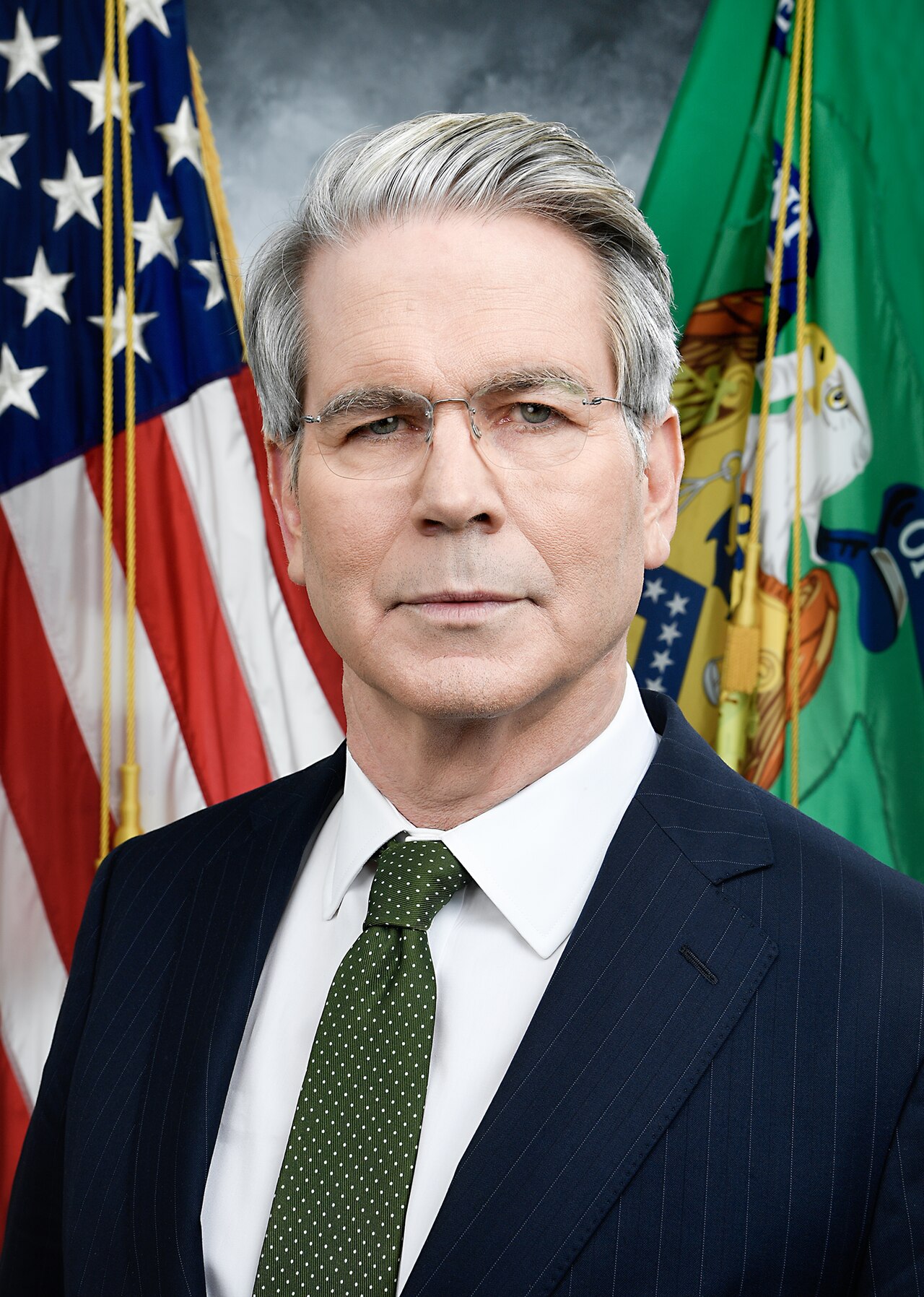
Scott Bessent Net Worth 2026: The $600M Macro Maestro
United States Secretary of the Treasury, incumbent
Scott Bessent Net Worth 2026: The $600M Macro Maestro Net Worth & Financial Report
Table of Contents
In 2016, Scott Bessent launched Key Square Capital Management, a bold move that followed a storied career managing billions for George Soros. That year marked a pivotal moment, cementing the foundation for what would become a formidable personal fortune. A decade later, in 2026, Scott Bessent’s net worth stands at an estimated $600,000,000, a staggering sum that places the incumbent United States Secretary of the Treasury among the wealthiest individuals ever to hold such a powerful public office. His financial journey, from a hedge fund luminary to a key economic architect for the nation, offers a fascinating study in wealth accumulation and its complex intersection with public service.
The Foundation of Fortune: Hedge Fund Triumphs and Market Mastery
Bessent didn’t just stumble into wealth; he built it with a sharp mind for global markets. His early career, particularly his crucial role at Soros Fund Management, saw him managing billions and executing high-stakes trades that generated immense returns. He learned from one of the best, mastering macro strategies that allowed him to capitalize on global economic shifts. This experience wasn’t just about making money for clients; it was about forging the skills and capital base that would eventually define his own financial independence.
When Bessent launched Key Square, he brought that deep expertise to his own venture. While the specifics of his hedge fund interests remain private, those holdings represent a core component of his wealth sources. But it’s his direct stock market investments that truly catch the eye in 2026. Bessent holds significant positions in broad market exchange-traded funds (ETFs), with stakes in the SPDR S&P 500 ETF Trust, the Invesco S&P 500 Equal Weight ETF, and the Invesco QQQ each valued at over $50 million. These aren’t speculative plays; they’re broad bets on the American economy, reflecting a strategy focused on long-term growth and diversification. For a Treasury Secretary, whose portfolio directly influences the markets, such substantial, passive holdings present a unique — and perhaps surprising — blend of personal interest and public duty.
Beyond Public Service: Scott Bessent’s $600,000,000 Private Wealth
As the United States Secretary of the Treasury, Bessent wields immense influence over the nation’s fiscal policy, but his personal financial profile reveals a private empire built largely outside the halls of government. His $600,000,000 net worth as of 2026 isn’t just a number; it’s a statement about the scale of his success before stepping into public life. His holdings in the SPDR S&P 500 ETF Trust, the Invesco S&P 500 Equal Weight ETF, and the Invesco QQQ, each exceeding $50 million, show a clear preference for market-tracking investments rather than individual stock picks that might invite closer scrutiny. This strategy, while seemingly conservative for a former hedge fund manager, ensures his personal wealth generally moves with the broader market, minimizing direct conflicts of interest with specific companies.
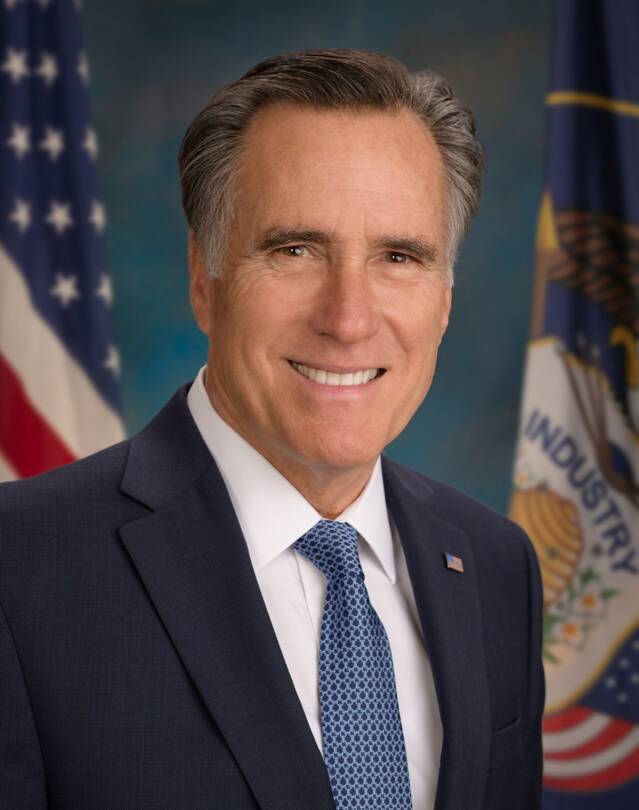
But how does one square such vast personal wealth with the demands of public office? Unlike many career politicians whose net worth might hover in the low millions, Bessent stands in a different league. To put his wealth in perspective, consider a figure like Senator Mitt Romney, whose net worth is often cited in the range of $300 million, or even a past Treasury Secretary like Hank Paulson, who came from Goldman Sachs with a fortune perhaps half of Bessent’s. Bessent’s financial standing isn’t merely substantial; it’s transformative, allowing him a degree of independence that few public servants ever experience. This independence, however, also raises questions about the optics of a public servant holding such a commanding personal stake in the very economy he helps steer.
From Georgetown to the Bahamas: Scott Bessent’s $37.5 Million Real Estate Footprint
While Bessent’s stock market investments form the bedrock of his liquid wealth, his real estate holdings demonstrate a tangible commitment to luxury and stability. His properties are not mere investments; they are statements of success, offering both a retreat and a strategic asset. A $12.5 million estate in Georgetown, Washington D.C., places him firmly within the political and social elite of the capital. This isn’t just a house; it’s a prime piece of real estate in a city where influence and location often go hand-in-hand. The property likely serves as his primary residence while fulfilling his duties as Treasury Secretary, offering both convenience and a touch of historical grandeur.
Beyond the corridors of power, Bessent also owns real estate in the Bahamas, valued at up to $25 million. This tropical escape speaks to a desire for privacy and relaxation, a stark contrast to the high-pressure environment of D.C. Such a substantial overseas holding isn’t uncommon for the super-wealthy, providing a tax-efficient haven and a luxurious getaway. Together, these properties represent a $37.5 million real estate footprint, a testament to his ability to convert financial gains into tangible assets. These holdings, while distinct from his market investments, contribute a significant portion to his overall Scott Bessent net worth 2026, offering diversification and a luxurious lifestyle that few can afford.
The Ethics of Influence: Scott Bessent and the $600 Million Treasury Post
The appointment of a figure with Bessent’s financial background to such a critical role inevitably sparks public debate. Is it truly surprising that a Treasury Secretary, whose decisions move markets, also happens to be a multi-millionaire? Perhaps not, given the historical precedent of wealthy individuals entering public service. However, Bessent’s $600,000,000 net worth is exceptionally high, even for a Cabinet member. This wealth, primarily derived from hedge fund interests and large-cap ETF investments, means his personal financial health is inextricably linked to the very markets he oversees. While ethics rules and blind trusts aim to prevent direct conflicts, the perception of influence remains a potent force.
Critics might point to the inherent tension: a man whose personal fortune benefits from a strong stock market is also the chief architect of policies designed to foster that strength. Supporters would argue that his deep understanding of markets makes him uniquely qualified for the job, offering an invaluable perspective. Bessent, like other wealthy public servants, faces the constant challenge of navigating public perception while making decisions that affect millions. His strategy of investing in broad market ETFs, rather than specific stocks, is a clear attempt to mitigate direct conflicts, but it doesn’t erase the fundamental reality: his personal financial success is deeply intertwined with the nation’s economic performance. This dynamic makes Scott Bessent’s tenure as Treasury Secretary one of the most financially compelling narratives in modern American politics.
Frequently Asked Questions
References & Sources
Last updated: March 2026. Net worth estimates are based on public financial disclosures and independent research.