Table of Contents
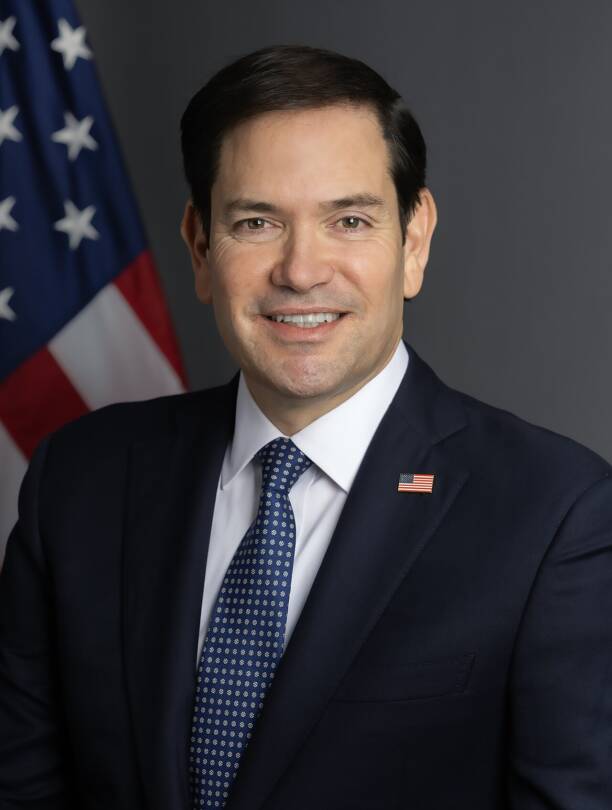
Marco Rubio’s financial story is far from the typical tale of political elites born into wealth or those who amass vast fortunes through corporate ventures. Instead, it’s a narrative marked by significant debt, strategic windfalls, and a dramatic turnaround, culminating in an estimated net worth of $1 million in 2026. His journey through the American financial system has been as public as his political career, revealing a man who has experienced both the crushing weight of student loans and the unexpected boost of a bestselling memoir.
From Zero to Deep Red: Rubio’s Early Financial Struggles
Before he became a prominent national figure, Marco Rubio’s finances were, to put it mildly, precarious. When he first entered the Florida Legislature in 2000 at the age of 29, he famously declared his net worth as “0” on his financial disclosure forms. This wasn’t just a symbolic gesture; it reflected a reality burdened by substantial student loan debt from his undergraduate studies at the University of Florida and law school at the University of Miami. By 2009, his financial statement showed a negative net worth of $37,000.
His early career, despite earning $2.38 million between 1998 and 2008 from his law practice and state House salary, saw little savings. The pressures of supporting a growing family on a state legislator’s salary, which was reportedly around $28,000 annually, meant that financial stability remained elusive. At one point in 2001, with an income of $90,000, the Rubio family even moved into his wife’s mother’s house to manage their expenses. These early years set a pattern of living close to the financial edge, a stark contrast to the image often associated with Washington politicians.
The $800,000 Memoir: A Turning Point in Rubio’s Finances
A significant shift in Rubio’s financial fortunes arrived in 2012 with the publication of his memoir, An American Son. He secured an $800,000 advance from Sentinel, a conservative imprint of Penguin Group (USA). This substantial sum was a game-changer, allowing him to finally pay off more than $100,000 in lingering student loan debt that had plagued him since his Senate election in 2010. The book went on to sell nearly 43,000 copies, and he earned hundreds of thousands in royalties beyond the initial advance.
However, this newfound liquidity also led to some questionable spending decisions. In the years following the advance, Rubio reportedly splurged on several purchases, including an $80,000 luxury speedboat. This period of increased income from book deals continued, with Rubio reporting $345,000 in additional income from Penguin Random House in 2013, $30,000 in 2014, and $102,500 in 2015 for his campaign book, American Dreams. These literary endeavors provided a crucial financial cushion that his public service salary alone could not.
Real Estate Rollercoaster: Miami Homes and Tallahassee Losses
Rubio’s real estate dealings have been a particularly volatile aspect of his financial history. In 2005, he purchased a home in West Miami for $550,000. However, like many Americans during the recession, he faced challenges in the housing market. By 2015, Forbes estimated his home was worth less than he owed on it, and he had repeatedly tapped his house for cash. He also co-owned a rental property in Tallahassee, which faced foreclosure in 2010 after he and his co-owner fell behind on payments. They eventually sold this property in 2015 at an $18,000 loss.
A more recent and ultimately beneficial real estate move occurred in 2021 when Rubio purchased a Miami residence for just under $1 million. This property proved to be a smart investment, with Forbes estimating its value had appreciated to $1.75 million by 2024. This significant gain in real estate equity has been a primary driver in the improvement of his overall net worth in recent years.
The Senator’s Salary and the Cost of Public Service
Throughout his 14 years in the U.S. Senate, Marco Rubio earned a consistent annual salary of $174,000 for most of his tenure, increasing to $176,000 in his later terms. While a substantial income for many, it often proved insufficient to cover his family’s expenses, especially with four children reaching college age. His financial disclosures frequently showed modest non-real estate assets, sometimes even declining. For instance, his non-real estate assets were valued between $135,000 and $400,000 in 2015, but dropped to between $35,000 and $175,000 by 2024.
Beyond his Senate salary, Rubio supplemented his income through various means. He earned between $17,000 and $25,000 annually as an adjunct professor and senior fellow at Florida International University in recent years. His wife, Jeanette Rubio, has also contributed to the family’s income through her consulting business, JDR Events, which has received payments for consulting work for a charitable foundation. Despite these additional income streams, the narrative of a public servant living within modest means, often grappling with financial pressures, has been a recurring theme in Rubio’s profile.
Secretary of State: Rubio’s Million-Dollar Comeback
As of January 2025, Marco Rubio transitioned from his long-standing role as a U.S. Senator to become the 72nd United States Secretary of State, a position that comes with an increased annual salary of over $200,000, specifically $250,600. This career move, coupled with the appreciation of his Miami real estate, has solidified his financial standing. His net worth, which had dipped to a negative $1.3 million in 2018, rebounded significantly to $400,000 by 2022, and then to an estimated $1 million by 2024 and 2025.
His current financial picture includes a valuable Miami residence, a federal pension likely worth a six-figure sum, and modest holdings in corporate stocks like Coca-Cola, though some of these were divested in late 2024. While not among the wealthiest members of the political class, Rubio’s financial trajectory is a testament to a career built on public service, punctuated by strategic publishing ventures and a fortunate turn in the real estate market. His journey from declaring a net worth of zero to becoming a millionaire, despite periods of substantial debt, offers a unique perspective on the financial realities of a career in American politics.
Frequently Asked Questions
References & Sources
Last updated: March 2026. Net worth estimates are based on public financial disclosures and independent research.