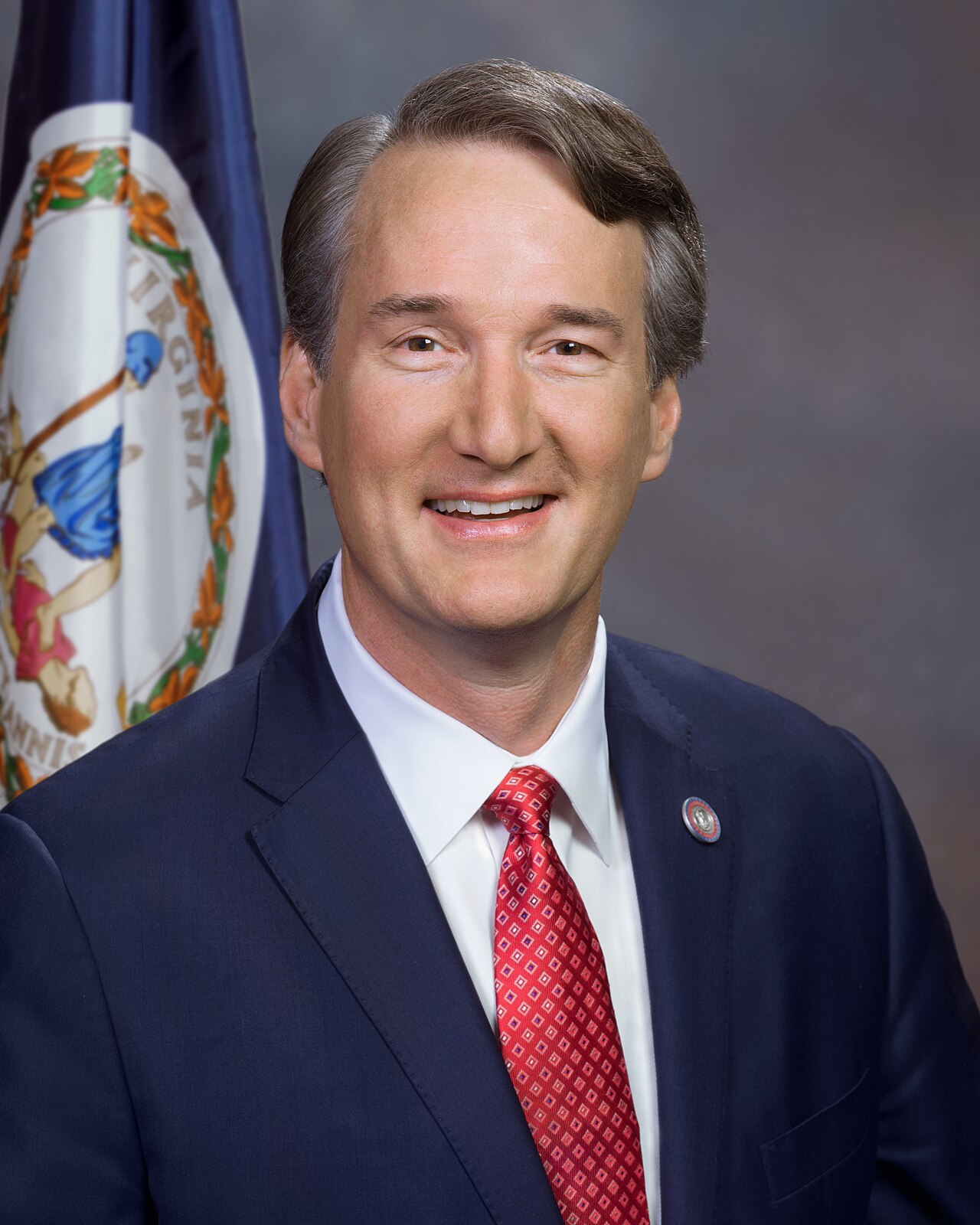
Glenn Youngkin Net Worth 2026: The $397M Private Equity Fortune
Former Governor of Virginia (2022-2026), now private citizen and potential 2028 presidential candidate
Glenn Youngkin Net Worth 2026: The $397M Private Equity Fortune Net Worth & Financial Report
Table of Contents
- From Governor’s Mansion to Private Enterprise: A $397 Million Fortune in 2026
- The Carlyle Group Cornerstone: A $370 Million Foundation
- Tech Titan Stakes: Apple and Microsoft in His Portfolio
- Great Falls Grandeur: The 30-Acre Equestrian Estate
- Beyond Public Service: Board Seats and Strategic Consulting
- The Path Ahead: Philanthropy, Politics, and Preserving a $397 Million Legacy
Glenn Youngkin, the former Governor of Virginia, often presented himself as a businessman-turned-public servant, a relatable figure stepping out of the corporate boardroom to serve his state. Yet, beneath that carefully cultivated image lies a financial reality that few politicians can match: a staggering Glenn Youngkin net worth of $397,000,000 as of 2026. This isn’t the wealth of a career politician earning a comfortable salary; it’s the fortune of a seasoned private equity titan, a testament to decades of high-stakes deals and shrewd investments made long before he ever considered a run for public office. Now, in 2026, Youngkin has left the Governor’s Mansion, returning to the private sector as a potential 2028 presidential candidate, his formidable wealth—and the strategies that built it—more relevant than ever.
His post-gubernatorial life isn’t defined by a government pension or a modest speaking circuit. Instead, Youngkin’s financial profile is a complex web of private equity stakes, diversified stock holdings, and significant real estate, all managed with the same disciplined hand he once applied to The Carlyle Group. Unlike many who enter politics to build a public profile, Youngkin brought his immense financial power to politics, and now, he’s leveraging that expertise as a private citizen once more. How does a former governor, now out of office, manage nearly $400 million, and what does it tell us about his ambitions beyond Richmond?
From Governor’s Mansion to Private Enterprise: A $397 Million Fortune in 2026
The year 2026 finds Glenn Youngkin firmly back in the world of private enterprise, albeit with a new public spotlight as a potential presidential contender. Having completed his single term as Virginia’s chief executive, Youngkin didn’t merely retire; he pivoted, bringing his considerable financial acumen and a personal fortune valued at $397,000,000 back to the forefront. This isn’t merely a passive inheritance; it’s an actively managed portfolio that continues to generate substantial returns, allowing him a unique degree of independence in his political considerations and private ventures.
While many former governors might seek high-paying lobbying gigs or university presidencies, Youngkin’s wealth liberates him from such immediate financial pressures. His financial base, established through decades at The Carlyle Group, remains the bedrock. This allows him to carefully consider his next moves—whether that’s a run for the White House in 2028, strategic investments, or philanthropic endeavors—without the immediate need for a paycheck. His wealth isn’t just a number; it’s a strategic asset, providing a robust platform for whatever comes next. When we discuss the Glenn Youngkin net worth 2026, we’re talking about a fortune that stands in stark contrast to many of his political peers, making him an anomaly in a field often characterized by more modest, if still comfortable, financial standings. For context, his $397 million dwarfs the estimated $120 million fortune of a long-serving figure like Nancy Pelosi, positioning Youngkin in a different financial league entirely.
The Carlyle Group Cornerstone: A $370 Million Foundation
The undisputed cornerstone of Glenn Youngkin’s immense wealth, even in 2026, remains his deep-seated connection to The Carlyle Group. Before his foray into politics, Youngkin spent 25 years at the global private equity giant, rising through the ranks to become its co-CEO. It was during this tenure that he forged the vast majority of his fortune, primarily through his ownership stake in the firm. At its peak, this stake was valued at an astonishing $370 million. This wasn’t merely a salary; it was a share in the profits, the carried interest, and the equity growth of one of the world’s most powerful investment houses.
Even though he stepped down from his leadership role to run for governor, his financial ties to Carlyle continued to yield dividends. Private equity investments are often long-term plays, with returns materializing years after the initial capital is committed. Youngkin’s departure from active management didn’t sever his financial interests; rather, it allowed his existing investments to mature and continue generating value. This stake represents more than just a large sum; it signifies a career built on identifying undervalued assets, orchestrating complex buyouts, and driving operational improvements—skills that translated directly into personal financial growth. His Carlyle legacy isn’t just a line on a resume; it’s the engine that powered his ascent to a $397,000,000 net worth.
Tech Titan Stakes: Apple and Microsoft in His Portfolio
Beyond the institutional behemoth of The Carlyle Group, Glenn Youngkin’s financial profile reveals a savvy investor with a diversified approach, particularly evident in his substantial holdings in the tech sector. His portfolio includes significant stakes in industry giants like Apple and Microsoft, blue-chip companies known for their consistent growth and market dominance. These aren’t speculative gambles; they’re strategic investments in established leaders, reflecting a disciplined approach to wealth preservation and growth.
Youngkin’s investments in these tech titans likely date back years, long before his gubernatorial term, benefiting from the sustained bull market that defined much of the 2010s and early 2020s. Holdings in companies like Apple, a perennial innovator in consumer electronics and services, and Microsoft, a leader in software, cloud computing, and gaming, provide a stable yet dynamic component to his overall wealth. These aren’t just names on a stock ticker; they represent strategic positions in companies that fundamentally shape the global economy. For a private equity veteran like Youngkin, understanding market trends and placing capital in areas poised for long-term expansion is second nature. His ownership of these shares isn’t just about passive income; it’s a reflection of a well-researched, long-term investment strategy that complements his private equity interests and contributes meaningfully to his nearly $400 million fortune.
Great Falls Grandeur: The 30-Acre Equestrian Estate
While much of Glenn Youngkin’s wealth is tied to the intangible assets of the financial markets, a tangible and highly valuable piece of his portfolio is his sprawling 30-acre horse farm in Great Falls, Virginia. This isn’t just a family home; it’s a significant real estate holding in one of the nation’s most exclusive and expensive suburban enclaves. Great Falls, known for its large estates and proximity to Washington D.C., commands premium prices, and a property of this size with equestrian facilities would easily be valued in the tens of millions of dollars.
The farm represents more than just a place to live; it’s a strategic real estate asset. Such properties often appreciate steadily, serving as a hedge against market volatility and a stable component of a diversified portfolio. For Youngkin, a prominent figure who enjoys outdoor pursuits, the estate also offers privacy and space, a retreat from the public eye that has followed him from the corporate world to the governor’s mansion and now into his post-gubernatorial life. This isn’t merely a personal indulgence; it’s a calculated real estate investment that contributes to the stability and growth of his overall $397,000,000 net worth. Does the quiet solitude of his Great Falls farm offer the perfect backdrop for contemplating a presidential run?
Beyond Public Service: Board Seats and Strategic Consulting
In 2026, as a private citizen and a potential 2028 presidential candidate, Glenn Youngkin isn’t merely resting on his laurels or his substantial investment income. His expertise and network, honed over decades in private equity and a term as governor, make him a highly sought-after figure in the corporate world. It’s safe to assume that Youngkin, now free from the demands of public office, is engaging in activities commensurate with his background: corporate board seats and strategic consulting roles.
These aren’t just honorific positions; they are often highly compensated, offering not only annual retainers and equity grants but also opportunities for direct influence and strategic input. His deep understanding of finance, corporate governance, and economic policy makes him an invaluable advisor to companies navigating complex markets. While the specific details of his current board affiliations or consulting arrangements aren’t publicly disclosed—a common practice for private citizens—it’s consistent with the trajectory of successful former executives and politicians who possess unique insights. These engagements would provide a steady stream of income and further expand his already vast network, solidifying his position as a power player outside the political arena and contributing to his financial dynamism, even with a net worth of $397 million.
The Path Ahead: Philanthropy, Politics, and Preserving a $397 Million Legacy
As Glenn Youngkin stands at a crossroads in 2026, his financial legacy is firmly established, providing him with unparalleled freedom to chart his future course. With a net worth of $397,000,000, his options are broad. One likely avenue is an increased focus on philanthropy, an area where wealthy individuals often direct their resources to leave a lasting impact. Given his background in education reform and economic development during his governorship, it’s plausible he’d channel significant funds into initiatives aimed at improving educational outcomes or fostering entrepreneurship.
Then, of course, there’s the looming possibility of a 2028 presidential campaign. Youngkin’s personal fortune would grant him a significant advantage, allowing him to self-fund portions of a campaign, signaling seriousness and independence from traditional donor networks. This financial muscle could be a game-changer, enabling him to build infrastructure and communicate his message without the immediate pressures of fundraising that dog many candidates. His wealth, therefore, isn’t just a personal asset; it’s a political tool, a means to an end for potentially higher office. Whether he ultimately chooses the campaign trail, expands his corporate influence, or dedicates himself fully to charitable causes, Glenn Youngkin’s $397 million fortune ensures that his next chapter will be one of significant influence and impact, a continuation of a career defined by strategic vision and financial prowess.
Frequently Asked Questions
References & Sources
Last updated: March 2026. Net worth estimates are based on public financial disclosures and independent research.