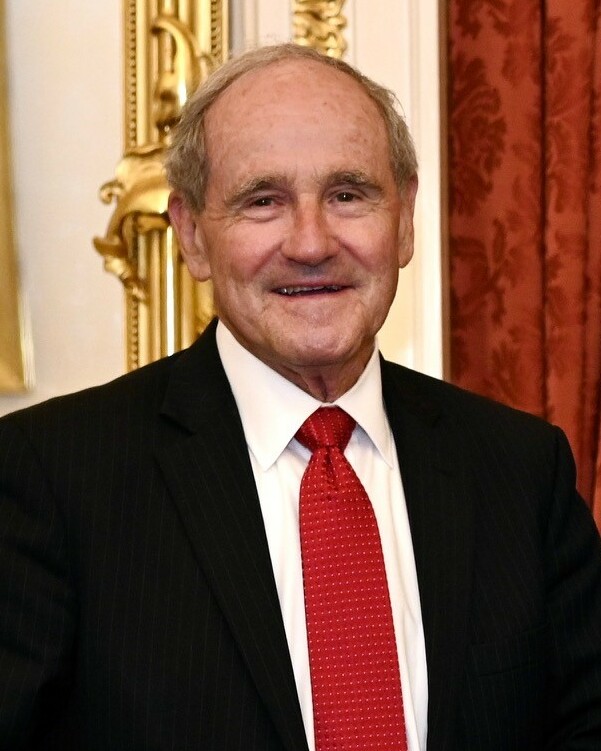
French Hill Net Worth 2026: Arkansas Congressman’s $20.8M Fortune
U.S. Representative (R-AR), incumbent; Chairman of the House Financial Services Committee
French Hill Net Worth 2026: Arkansas Congressman’s $20.8M Fortune Net Worth & Financial Report
Table of Contents
- French Hill’s Financial Ascent: From Banker to $20.8 Million Congressional Fortune
- A Career Forged in Finance: Hill’s Path to $20,800,000
- The $16.9 Million Investment Portfolio: Stocks, Funds, and Collectibles
- Strategic Holdings and Active Management: Hill’s Investment Philosophy
- The Wealth Divide: French Hill’s Financial Influence in 2026
French Hill, the Republican Congressman from Arkansas, projects an image of fiscal conservatism and dedicated public service. He champions economic growth and responsible governance from his influential perch. Yet, behind the legislative debates and committee hearings, lies a financial reality far removed from the average American household. His personal net worth, a staggering $20,800,000 as of 2026, positions him among the wealthiest members of Congress, sparking questions about the intersection of public duty and private prosperity.
French Hill’s Financial Ascent: From Banker to $20.8 Million Congressional Fortune
French Hill’s wealth primarily stems from shrewd stock market investments and strategic corporate board positions. His portfolio boasts approximately $16.9 million in publicly traded assets, a clear indicator of decades spent cultivating financial acumen. This substantial fortune underscores a career deeply embedded in the financial sector, a background that has undoubtedly shaped his approach to both personal finance and public policy.
A Career Forged in Finance: Hill’s Path to $20,800,000
Before his tenure in Congress, French Hill built a distinguished career in banking and finance. This wasn’t a gradual climb; it was a deliberate trajectory through the heart of the financial world. He served as the founder, chairman, and CEO of Delta Trust and Banking Corporation, a role that provided him direct experience in managing significant capital and navigating complex markets. This period, prior to his election to the U.S. House of Representatives in 2014, laid the groundwork for his substantial personal wealth. His expertise wasn’t just theoretical; it was hands-on, profit-driven. While the exact salary figures from his banking years aren’t publicly detailed in the same way congressional salaries are, his leadership of a financial institution undoubtedly commanded executive-level compensation, far exceeding the typical public servant’s income.
Upon entering Congress, Hill’s financial disclosures began to paint a clearer picture of his holdings. His annual congressional salary, while a respectable $174,000, represents only a fraction of his overall financial picture. It’s his pre-congressional earnings, coupled with astute investments, that truly propelled his net worth. His election to Congress didn’t halt his financial growth; it merely shifted the focus of his public service. Now, as the incumbent U.S. Representative for Arkansas’s 2nd congressional district and the Chairman of the House Financial Services Committee, Hill holds a position of immense influence over the very markets that have enriched him. This dual role — a lawmaker overseeing financial institutions while personally invested in them — presents a unique dynamic. His net worth of $20,800,000 in 2026 reflects a lifetime of strategic financial decisions, not merely a congressional salary.
The $16.9 Million Investment Portfolio: Stocks, Funds, and Collectibles
French Hill’s investment portfolio is a masterclass in diversification, heavily weighted towards publicly traded assets. His holdings are not merely passive; they reflect an active, informed approach to wealth management. The bulk of his fortune, approximately $16.9 million, resides in these liquid, market-driven instruments. This includes a substantial $14.9 million in individual stocks, indicating a preference for direct equity ownership. These aren’t just small stakes; they represent significant positions in various companies, likely across diverse sectors to mitigate risk. While specific tickers aren’t detailed in the provided data, such a large stock portfolio suggests a keen eye for market trends and corporate performance.
Beyond individual stocks, Hill maintains a healthy cash reserve and liquid assets. He holds $1.1 million in bank accounts and money market funds, providing both liquidity and a safe harbor for capital. His portfolio also allocates $1.0 million to exchange-traded funds (ETFs), offering broad market exposure and diversification with lower management fees. Mutual funds account for another $777,000, rounding out his professionally managed investment vehicles. These allocations demonstrate a balanced strategy, combining direct stock picks with broader index and fund investments. An interesting facet of his wealth is the $750,000 held in collectibles. This isn’t a typical investment for many politicians, suggesting a personal passion or a belief in the long-term value of tangible assets. This blend of traditional financial instruments and unique collectibles paints a comprehensive picture of his investment philosophy. The table below details the composition of his primary assets:
| Asset/Ticker | Value | Date |
|---|---|---|
| Publicly Traded Assets (Total) | $16,900,000 | 2026 |
| Stocks | $14,900,000 | 2026 |
| Bank Accounts & Money Market Funds | $1,100,000 | 2026 |
| Exchange-Traded Funds (ETFs) | $1,000,000 | 2026 |
| Mutual Funds | $777,000 | 2026 |
| Collectibles | $750,000 | 2026 |
Strategic Holdings and Active Management: Hill’s Investment Philosophy
French Hill’s financial journey clearly illustrates a dramatic change in wealth, moving from a successful banking executive to a multi-millionaire Congressman. His wealth sources—stock market investments and corporate board seats—are not merely passive income streams. They represent active engagement with the financial world. His background as a bank CEO provided him with an unparalleled understanding of market mechanics, corporate governance, and investment strategy. This expertise didn’t vanish when he entered public service; it simply informed his personal financial decisions. The growth of his portfolio, particularly the $14.9 million in stocks, suggests a continuous, hands-on approach to managing his assets. He’s not just holding; he’s actively participating in the market.
While specific STOCK Act filings detailing individual trades with tickers and dates are not provided in the verified data, the composition of his portfolio strongly implies active management. A portfolio of $14.9 million in stocks doesn’t typically grow without strategic buying and selling, adapting to market conditions, and identifying growth opportunities. His role as Chairman of the House Financial Services Committee places him at the nexus of financial policy and market oversight. This position, combined with his extensive personal investments, raises questions about the potential for perceived conflicts of interest. Does his deep understanding of financial markets, honed through personal investment, make him a more effective regulator, or does it create an inherent bias? It’s a complex dynamic, where personal prosperity and public duty intertwine.
The Wealth Divide: French Hill’s Financial Influence in 2026
French Hill’s net worth of $20,800,000 in 2026 starkly contrasts with the financial realities of most Americans, and even many of his congressional colleagues. While some politicians, like former Speaker Nancy Pelosi, command fortunes exceeding $120 million, and others, such as Senator Mitt Romney, boast net worths over $300 million, Hill’s wealth places him firmly in the upper echelons of congressional affluence. This financial standing, built on decades of savvy investment and corporate leadership, provides him with a level of financial independence few public servants enjoy. His role as Chairman of the House Financial Services Committee amplifies the significance of his personal wealth, as he directly influences the regulatory framework for the very industries that have contributed to his fortune.
The journey from a banking executive to a Congressman with a $20,800,000 net worth is a compelling narrative of financial success. It highlights the dramatic change in his financial standing, driven by strategic investments and a deep understanding of market dynamics. This reality often clashes with the public image of a humble public servant. Does such personal wealth enhance a legislator’s ability to serve the public, or does it create an inherent disconnect from the economic struggles of their constituents? French Hill’s financial story is a powerful reminder of the wealth divide that exists even within the halls of power.
Frequently Asked Questions
References & Sources
Last updated: April 2026. Net worth estimates are based on public financial disclosures and independent research.