Jared Isaacman Net Worth 2026: From $2.8B to NASA’s Helm
Administrator of NASA
Jared Isaacman Net Worth 2026: From $2.8B to NASA’s Helm Net Worth & Financial Report
Table of Contents
- A Billion-Dollar Bet on Shift4 Payments: $1.1 Billion in Equity
- From Payment Processing to Planetary Policy: The Unseen Fortune Behind NASA’s Chief
- The $1,100,000,000 Portfolio: Venture Capital and Diversification’s Delicate Balance
- Comparing Fortunes: Isaacman’s $1.1 Billion Among Public Servants
- The Future of a Billion-Dollar Administrator: Jared Isaacman’s Net Worth 2026 and Beyond
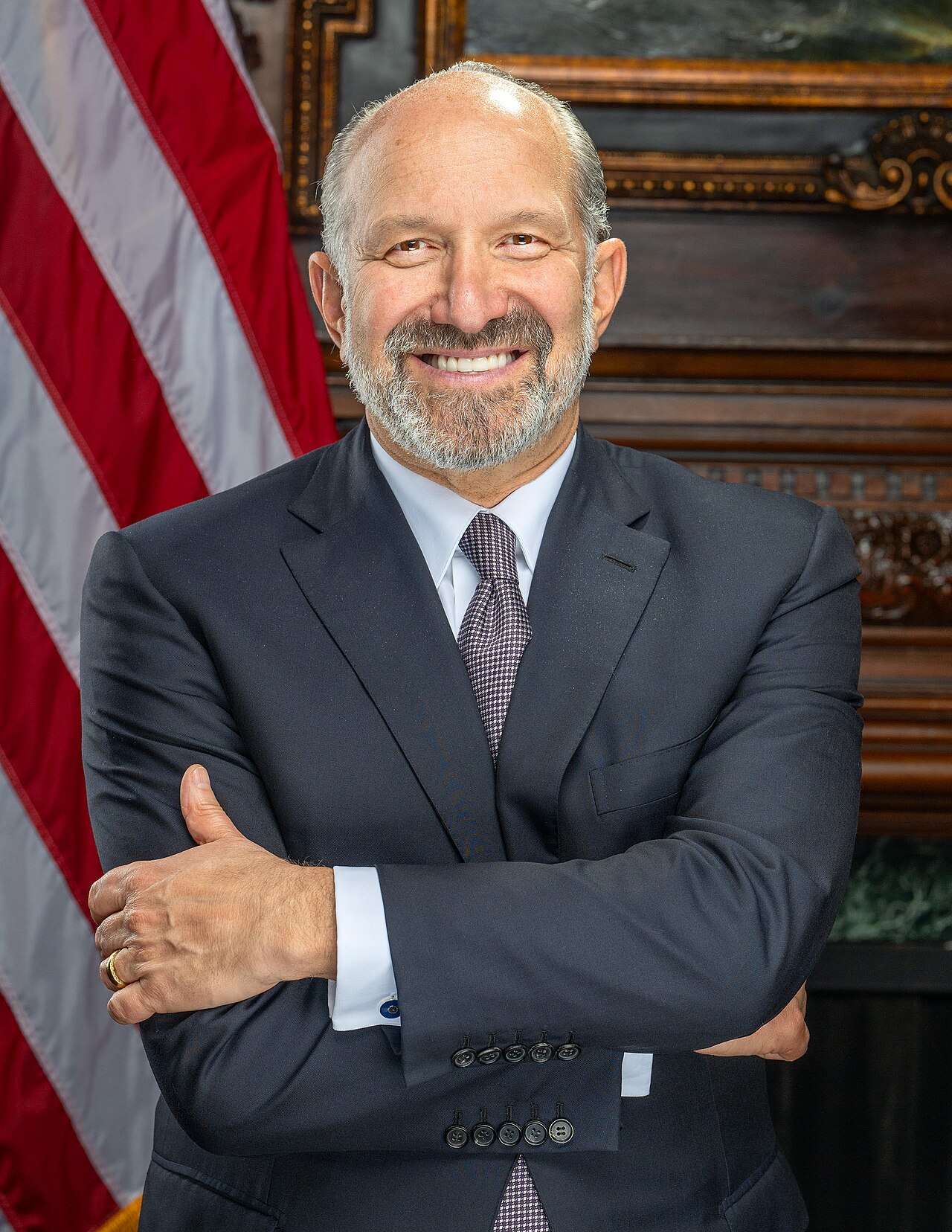
Jared Isaacman, a name synonymous with audacious space missions and groundbreaking philanthropy, currently serves as the Administrator of NASA. This high-profile public role often casts a long shadow over the sheer scale of his private financial empire. While the public sees a dedicated leader steering America’s space endeavors, behind that image lies a personal fortune that places him firmly in the billionaire club. His
Jared Isaacman net worth
, an astounding $1.1 billion as of 2026, positions him uniquely among public figures, blending government leadership with colossal personal wealth derived from his entrepreneurial ventures. It’s a striking contrast: a public servant entrusted with the future of space exploration, yet privately a titan of finance whose assets dwarf those of many corporate CEOs. This duality – public service fueled by immense private capital – presents a fascinating study in modern wealth and influence.
A Billion-Dollar Bet on Shift4 Payments: $1.1 Billion in Equity
The bedrock of Jared’s formidable wealth isn’t some diversified portfolio of blue-chip stocks or a sprawling real estate empire; it’s a focused, substantial holding in a single company: Shift4 Payments Inc. As of March 2026, Isaacman owns over 23 million shares in the payment processing giant, a stake valued at more than $1.1 billion. This isn’t just a large investment; it is, quite literally, the vast majority of his fortune. Shift4, which Jared founded in 1999, grew from a small startup into a major player in transaction processing, particularly for the hospitality and retail sectors. His steadfast belief in the company, even through its public offering and subsequent market fluctuations, paid off spectacularly. This concentrated wealth, tied so tightly to one enterprise, presents a fascinating—and perhaps surprising—financial profile for someone occupying such a critical public office. Few NASA Administrators, if any, have ever commanded such a personal fortune, especially one so directly linked to a single, publicly traded company.
From Payment Processing to Planetary Policy: The Unseen Fortune Behind NASA’s Chief
Jared Isaacman’s journey to the helm of NASA is unconventional, to say the least. Long before he was donning flight suits for private space missions or accepting presidential appointments, he was immersed in the complex world of payment gateways and merchant services. Shift4 Payments wasn’t just a stepping stone; it was his primary focus for decades, a venture he built from the ground up right out of high school. He didn’t just invest in the company; he architected its entire existence, guiding its strategy, acquisitions, and technological advancements. This deep, operational involvement in a highly competitive industry is what generated the initial wealth that now allows him to serve in public office. It’s a fortune forged in the crucible of commerce, not through traditional political careers or inherited wealth. The transition from processing billions in transactions to overseeing billions in federal space budgets highlights a unique skill set, but it also underscores the extraordinary private wealth that underpins his public service. His ability to fund endeavors like Inspiration4, the first all-civilian space mission, directly stemmed from this private success, offering a glimpse into the financial power he wields even as he directs a government agency.
The $1,100,000,000 Portfolio: Venture Capital and Diversification’s Delicate Balance
While Shift4 Payments forms the colossal centerpiece of Jared Isaacman’s financial identity, his wealth isn’t entirely static within that single holding. He has also made strategic forays into venture capital, backing nascent companies with high growth potential. These investments, while substantial in their own right, represent a smaller, albeit important, component of his overall financial picture. They speak to an entrepreneurial spirit that extends beyond his primary creation, seeking to identify and foster the next wave of innovation. Yet, with over $1.1 billion tied up in Shift4 stock, the concept of “diversification” takes on a different meaning for Isaacman. When one asset accounts for such an overwhelming proportion of one’s net worth, the performance of that single asset dictates almost everything. How does one manage such a concentrated fortune, with its inherent risks and rewards, while steering the nation’s space agency? It’s a delicate balancing act, requiring constant vigilance over market dynamics even as he focuses on celestial mechanics. This unique position raises questions about the interplay between personal financial interests and public responsibilities, even if those interests are passive once he’s stepped away from day-to-day operations.
Comparing Fortunes: Isaacman’s $1.1 Billion Among Public Servants
Jared Isaacman’s $1.1 billion net worth places him in an exceedingly rare echelon among public servants and former politicians. To put his financial standing in perspective, consider other prominent figures. Mitt Romney, the former Governor of Massachusetts and current Senator, boasts an estimated net worth of around $300 million—a substantial sum by any measure, but less than a third of Isaacman’s fortune. Even comparing him to figures like Michael Bloomberg, a former New York City mayor who built a multi-billion-dollar media empire before entering politics, Isaacman’s wealth from a single, relatively young company is remarkable. Bloomberg’s wealth, while far greater, stems from a much broader and older enterprise. Isaacman’s financial profile isn’t just about the dollar amount; it’s about the source. He didn’t inherit his wealth, nor did he build it over decades in a traditional corporate career before entering public service. Instead, he built a unicorn company and then, at the height of its success, transitioned into a high-profile government role. This makes his financial trajectory almost unprecedented, establishing a new benchmark for wealth among government leaders. The sheer scale of his private assets, while he serves the public, is a point of constant fascination and, for some, a subject of intense scrutiny.
The Future of a Billion-Dollar Administrator: Jared Isaacman’s Net Worth 2026 and Beyond
As Administrator of NASA in 2026, Jared Isaacman’s public duties are paramount, yet the shadow of his vast private wealth, particularly his colossal stake in Shift4 Payments, remains ever-present. His Jared Isaacman net worth 2026, predominantly tied to that single company, means his personal fortune is intrinsically linked to the market’s perception and performance of Shift4. Any significant shifts in the payment processing industry, or in the broader economic climate, could impact his net worth directly. While his role at NASA is a salaried position, it’s his entrepreneurial past that truly defines his financial power. This ongoing financial leverage from his private sector triumphs allows him an independence unique among his peers. What does this mean for the future? Does such immense personal wealth allow for greater freedom in decision-making, unburdened by concerns common to career politicians? Or does it invite greater scrutiny, with every move potentially viewed through the lens of his financial interests? Isaacman’s journey from payment processing wunderkind to space exploration chief, all while retaining his billionaire status, forces a re-evaluation of what a public servant can be and how they can operate in the 21st century. His story isn’t just about money; it’s about power, influence, and the evolving dynamics of leadership in an era where private enterprise can dwarf even public institutions.
Frequently Asked Questions
References & Sources
Last updated: March 2026. Net worth estimates are based on public financial disclosures and independent research.