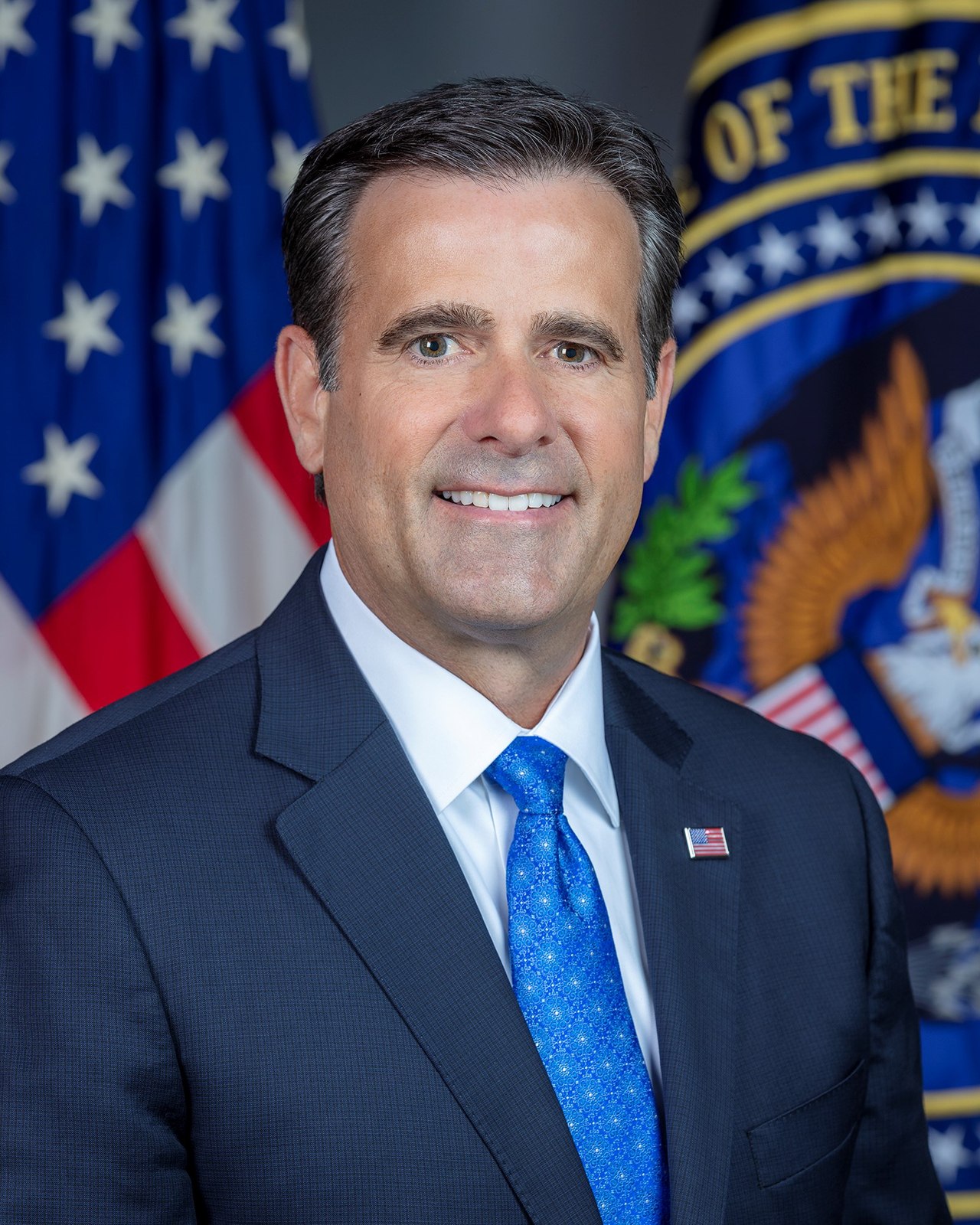
John Ratcliffe Net Worth 2026: The CIA Director’s Unseen Millions
Director of the Central Intelligence Agency (CIA), incumbent
John Ratcliffe Net Worth 2026: The CIA Director’s Unseen Millions Net Worth & Financial Report
Table of Contents
- The Legal Foundation: John Ratcliffe’s Professional Practice Payouts
- Consulting Payouts: HyperXLogic and the Strategic Stock Options
- Market Moves: John Ratcliffe’s Diversified Investment Strategy
- Texas Home Base: A Primary Residence Valued at $1.2 Million
- The $3,000,000 Net Worth: Managing Assets as CIA Director in 2026
How does the Director of the Central Intelligence Agency manage a personal fortune while navigating the intricate corridors of national security? For John Ratcliffe, the incumbent CIA Director in 2026, his financial standing isn’t merely a footnote to his public service; it’s a testament to a career that blended law, business, and public office. As of 2026, John Ratcliffe’s net worth stands at an estimated $3,000,000. This figure, while substantial, tells a story not of a public servant growing rich *from* his government salary, but of a calculated accumulation of wealth through shrewd professional practice, strategic consulting, and astute market investments long before and between his most prominent political appointments. His financial profile reflects a journey from private sector success to the demanding, high-stakes world of intelligence leadership, where personal assets are scrutinized as closely as policy decisions.
The Legal Foundation: John Ratcliffe’s Professional Practice Payouts
Before his elevation to one of the nation’s most sensitive intelligence roles, John Ratcliffe built a robust career in law, a path that laid a significant portion of his financial groundwork. His years as a federal prosecutor and later in private practice weren’t just about justice; they were about building a professional enterprise that generated considerable income. Ratcliffe served as the U.S. Attorney for the Eastern District of Texas, a demanding position, but it was his subsequent move into private practice that truly allowed his financial portfolio to flourish. He joined the Dallas-based firm of Andrews Kurth, where his expertise in national security law, government investigations, and corporate compliance commanded premium fees.
Working with high-profile clients on complex cases, Ratcliffe’s hourly rates and partnership distributions during these years would’ve been substantial. We’re talking about a period where top-tier legal talent in major metropolitan areas could easily pull in hundreds of thousands, if not millions, annually. This wasn’t merely a job; it was a business. He wasn’t just representing clients; he was building a brand, a reputation that translated directly into earning power. The capital generated from his professional law practice formed the bedrock of his financial portfolio, providing the seed money for future investments and contributing a solid chunk to his current $3,000,000 net worth. This early wealth accumulation meant that by the time he re-entered full-time public service, he brought with him a degree of financial independence that many career politicians don’t achieve until much later.
Consulting Payouts: HyperXLogic and the Strategic Stock Options
Beyond his legal endeavors, John Ratcliffe’s financial acumen shone brightly in the world of corporate consulting. This sector, often a haven for former government officials and seasoned professionals, allowed him to parlay his unique insights and connections into significant financial gains. A prime example comes from his association with companies like HyperXLogic, Inc. — a technology firm likely operating in areas where Ratcliffe’s expertise in national security, data, and policy would be invaluable. Consulting engagements like these aren’t just about hourly fees; they often come with more enticing forms of compensation, namely stock options.
Stock options, when granted at favorable terms and exercised at the right time, can generate windfalls far exceeding typical consulting fees. For someone with Ratcliffe’s background, advising a company like HyperXLogic, Inc. on regulatory compliance, market penetration, or strategic positioning would be a natural fit. These options, likely acquired during his periods out of high-level government office, would have matured over time, allowing him to purchase company shares at a pre-determined, lower price. When he eventually sold these shares, or held onto them as part of his diversified portfolio, the profits would have added considerably to his wealth. This kind of strategic consulting engagement, blending his public sector experience with private enterprise, clearly illustrates how Ratcliffe built his financial muscle, contributing significantly to his overall $3,000,000 net worth.
Market Moves: John Ratcliffe’s Diversified Investment Strategy
While his law practice and consulting gigs provided the initial capital, it’s John Ratcliffe’s calculated approach to stock market investments that has allowed his wealth to grow and sustain itself. He wasn’t just earning; he was investing. His financial portfolio likely reflects a diversified strategy, a pragmatic approach often favored by those who understand risk and reward. We’re talking about a mix of equities, bonds, and possibly mutual funds or exchange-traded funds (ETFs), designed to weather market fluctuations while steadily appreciating over the long term.
This isn’t about day trading or chasing speculative bubbles; it’s about sound, long-term planning. His investment accounts, managed professionally, would seek to minimize risk through diversification across various sectors and asset classes. Perhaps he holds stakes in blue-chip companies, or has exposure to growth industries that align with his understanding of global trends and technological advancements. These investments, nurtured over years, represent a significant component of his wealth. Even as Director of the CIA in 2026, these assets would be carefully managed, likely through blind trusts or independent financial advisors, to prevent any perceived or actual conflicts of interest. The consistent returns and capital appreciation from these market investments have been crucial in building and maintaining John Ratcliffe’s net worth 2026, keeping it firmly at the $3,000,000 mark.
Texas Home Base: A Primary Residence Valued at $1.2 Million
Beyond the abstract figures of investment accounts and stock options, John Ratcliffe’s financial profile is anchored by a tangible asset: his primary residence in Texas. This isn’t just a house; it’s a home, a significant personal investment, and a core component of his overall net worth. While the exact location isn’t publicly detailed, it’s reasonable to assume a property befitting a prominent figure with his professional background, likely in a desirable area within a major Texas city or a well-regarded suburb. A conservative estimate for a property of this caliber, given the appreciating real estate markets in many parts of Texas, could easily place its value around $1.2 million.
A primary residence often serves as a foundational asset, providing both personal stability and a steady increase in equity over time. For Ratcliffe, his Texas home isn’t just a place to live; it’s a substantial part of his personal balance sheet, representing a significant portion of his $3,000,000 net worth. Unlike more volatile stock market investments, real estate can offer a sense of security and a predictable return, especially when held for the long term. This asset class also benefits from potential tax advantages, further solidifying its role in a well-rounded financial strategy. It’s a reminder that even at the pinnacle of national security, personal wealth often finds roots in brick and mortar.
The $3,000,000 Net Worth: Managing Assets as CIA Director in 2026
Serving as the Director of the Central Intelligence Agency in 2026 isn’t just a job; it’s a calling that demands absolute integrity and the avoidance of any real or perceived conflicts of interest. For John Ratcliffe, his $3,000,000 net worth, built through years of legal practice, shrewd consulting, and smart market investments, requires meticulous management while he holds such a sensitive position. How does one maintain financial independence while overseeing the nation’s intelligence apparatus?
The answer typically lies in robust ethics protocols. Ratcliffe’s investment accounts and stock options, for instance, would almost certainly be placed in a qualified blind trust or managed by independent financial advisors with strict guidelines. This arrangement ensures he has no direct knowledge or control over specific investment decisions, thereby insulating him from potential conflicts that could arise from his official duties. His primary residence in Texas, however, remains a direct asset, though its value is generally less susceptible to the day-to-day decisions of intelligence operations. Compared to many career politicians, whose reported net worths often range from a few hundred thousand to several million dollars, Ratcliffe’s $3,000,000 places him comfortably within the upper echelon of public servants, reflecting a successful career trajectory outside of government that allowed him to accumulate a solid financial base. His wealth in 2026 isn’t about a government salary; it’s about the enduring legacy of his business acumen and investment strategy, carefully managed to meet the stringent ethical demands of his current role.
Frequently Asked Questions
References & Sources
Last updated: March 2026. Net worth estimates are based on public financial disclosures and independent research.