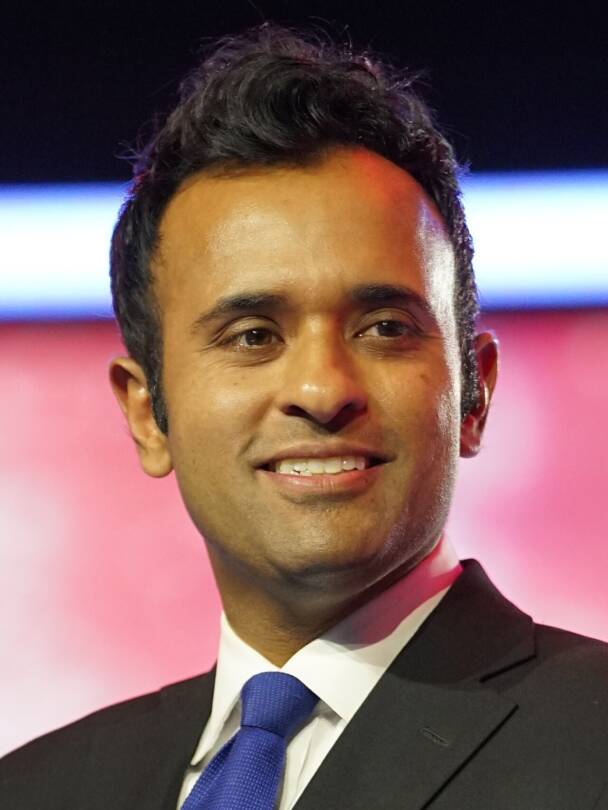
Doug Burgum Net Worth 2026: From Software CEO to $400M Interior
United States Secretary of the Interior, incumbent
Doug Burgum Net Worth 2026: From Software CEO to $400M Interior Net Worth & Financial Report
Table of Contents
Doug Burgum’s personal fortune stands at an astonishing $400,000,000 as of 2026, establishing the United States Secretary of the Interior as one of the wealthiest figures in American politics. This eye-popping figure isn’t a recent windfall; it’s the culmination of decades of shrewd business dealings, strategic investments, and a relentless focus on growth that long predates his current role in Washington. While Burgum now dedicates his considerable intellect to the stewardship of America’s natural resources and public lands, his private financial engines continue to hum, driven by a diverse portfolio that spans real estate, venture capital, and significant stock market positions. His journey from a North Dakota farm to the top echelons of government and finance offers a compelling look at how enduring business acumen can shape a legacy, even amidst the demands of public service. The Doug Burgum net worth reflects a calculated approach to wealth generation, one that emphasizes long-term value over quick returns.
The $400,000,000 Foundation: A Venture Capitalist’s Vision
The bedrock of Doug Burgum’s $400,000,000 net worth isn’t rooted in a single, massive exit, but rather a series of well-timed ventures and persistent investment strategies. Long before his appointment as Secretary of the Interior, Burgum carved out a reputation as a savvy venture capitalist, identifying nascent opportunities and nurturing them to maturity. His early career, particularly his leadership at Great Plains Software, which he sold to Microsoft for over $1 billion in 2001, provided the initial capital and blueprint for his subsequent financial endeavors. Even as he steers the Department of the Interior, his private investment vehicles remain active, constantly seeking the next frontier of innovation and value. Burgum’s approach has consistently favored high-growth sectors, particularly technology, where he’s demonstrated an uncanny ability to spot future leaders. How does one maintain such a dynamic financial posture while shouldering the immense responsibilities of a cabinet secretary?
This sum dwarfs the financial standing of a typical member of Congress, whose net worth might hover around a few million dollars, and even surpasses many of Washington’s long-serving power brokers, who might command fortunes in the tens of millions. Burgum’s wealth isn’t merely a testament to past successes; it’s a living, evolving entity, managed by a team of experts who operate under his strategic guidance. His influence in the venture capital world, though quieter now, still resonates, with his name often associated with smart, long-term plays rather than speculative gambles. The Doug Burgum net worth 2026 is a testament to this disciplined, forward-looking strategy.
Kilbourne Group’s Fargo Footprint: Real Estate Dominance
Beyond the world of software and venture capital, Doug Burgum maintains a deep and personal connection to real estate, particularly in his home state of North Dakota. His firm, Kilbourne Group, stands as a cornerstone of downtown Fargo’s revitalization. This isn’t just about owning buildings; it’s about a strategic vision for urban development, transforming neglected areas into vibrant, economically active spaces. One of Kilbourne Group’s flagship achievements includes the development of the RDO Building, a modern structure that anchors a significant portion of downtown Fargo. This project, like many others under the Kilbourne Group umbrella, reflects Burgum’s commitment to community-building alongside financial returns.
The real estate holdings, managed independently while Burgum serves as Secretary, represent a substantial portion of his overall wealth. These aren’t just passive investments; they’re active developments, constantly being optimized and expanded. The firm focuses on mixed-use properties, combining retail, residential, and office spaces to create dynamic urban environments. This strategy not only generates consistent rental income and property value appreciation but also contributes to the local economy, a principle Burgum has long championed. The value of these holdings, spread across commercial and residential properties, contributes significantly to his overall financial strength, providing a stable, tangible asset base that complements his more liquid investments.
Software Stakes: Atlassian and SuccessFactors
Doug Burgum’s investment philosophy has always leaned heavily into the software sector, a domain he understands intimately from his Great Plains Software days. His current portfolio includes significant investments in cutting-edge software companies, notably Atlassian and SuccessFactors. These aren’t speculative bets; they’re strategic placements in companies that have demonstrated strong market positions and consistent growth trajectories. Atlassian, known for its collaboration software like Jira and Confluence, has seen its valuation soar, providing substantial returns for early investors like Burgum. SuccessFactors, a cloud-based human capital management software company, also offered a lucrative opportunity before its acquisition by SAP, further solidifying Burgum’s reputation as a prescient tech investor.
These stock market investments form a critical component of his $400,000,000 fortune. While he’s no longer actively managing a venture fund, his personal holdings in these and other software giants continue to appreciate, driven by the sector’s relentless innovation and global demand. It’s a testament to his long-term vision that many of these investments began years ago, maturing into powerful wealth generators. He understands the mechanics of software businesses—their scalability, their recurring revenue models, and their potential for disruption—which allows him to make informed decisions that continue to pay dividends even as his public service role takes precedence.
Spanning States: Doug Burgum’s Extensive Land Holdings
Beyond the urban developments of Kilbourne Group, Doug Burgum’s financial profile includes extensive land and home ownership across at least four states. These aren’t just personal residences; they represent a diversified real estate portfolio that includes agricultural land, recreational properties, and investment homes. His roots in North Dakota, a state defined by its vast landscapes, likely instilled in him an appreciation for the enduring value of land. These holdings provide both capital appreciation and, in some cases, income generation, further stabilizing his financial position.
The strategic acquisition of land, often seen as a hedge against inflation and market volatility, showcases another facet of Burgum’s comprehensive wealth management strategy. These properties, whether sprawling parcels or carefully chosen residences, are managed by professional entities, ensuring their value is maintained and enhanced. The diversity of these geographical holdings also spreads risk, preventing over-reliance on any single regional market. This broad reach in real estate, from commercial developments in Fargo to private estates and agricultural lands across multiple states, underscores the depth and breadth of his personal assets.
Beyond Public Service: The Enduring Business Acumen
As the incumbent United States Secretary of the Interior, Doug Burgum’s primary focus is on public service, but his financial life continues to reflect the deep-seated business acumen that built his $400,000,000 fortune. His wealth sources—stock market investments, real estate holdings, and venture capital—are not static entities; they are dynamic portfolios managed with the same strategic foresight that characterized his entrepreneurial career. Even while navigating the complexities of federal policy and environmental stewardship, Burgum’s personal finances remain a testament to his ability to identify and capitalize on long-term value creation. He didn’t just earn his money; he built a system for its sustained growth.
The structure of his assets ensures that his financial well-being is not dependent on a single market or sector, providing a resilient foundation. His investments in companies like Atlassian continue to mature, his real estate projects under Kilbourne Group continue to develop and generate returns, and his broader land holdings across multiple states provide a tangible, appreciating asset base. It’s a financial profile built on diversification and an inherent understanding of market dynamics, allowing him to serve in public office without financial distraction. Can a public servant truly separate their past business interests from their present duties? For Burgum, the answer lies in the robust and independently managed structure of his enduring financial empire, one that continues to thrive well into 2026 and beyond.
Frequently Asked Questions
References & Sources
Last updated: March 2026. Net worth estimates are based on public financial disclosures and independent research.